DRAGONFLY — AUTONOMOUS UAV PLATFORM
FLY BEYOND THE LIMITS
BREAK INTO THE BLUE
SYS_01: PROPULSION
Brushless propulsion system with optimized propeller setup.
SYS_02: AVIONICS
Advanced autopilot system and high-capacity battery stack.
SYS_03: AIRFRAME
Lightweight 3D printed airframe with carbon fiber reinforcements.
SYS_STATUS: READY
GPS_LOCK: 3D FIX
ALT: 120.4 M
SPEED: 24.3 M/S
ROLL: 0.0°
PITCH: +2.1°
YAW: 184.2°
SIGNAL: 98% (TBS)
MECHANICAL
ENGINEERED FOR FLIGHT
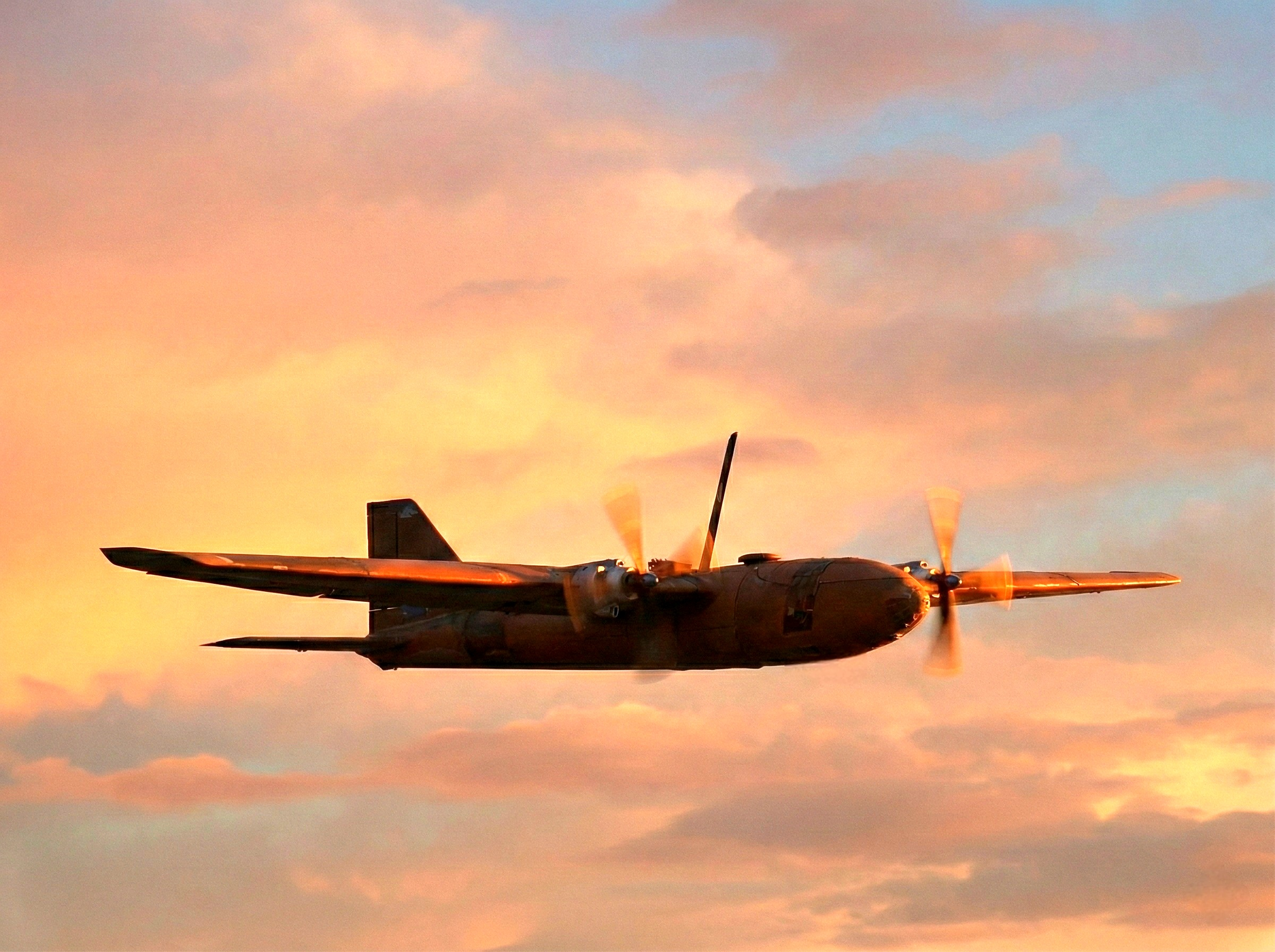
The DragonFly airframe is precision-crafted from lightweight materials with carbon fiber reinforced spars providing structural rigidity under dynamic aerodynamic loads. Specialized design iteration ensures structural efficiency is maximized.
AVIONICS
POWER & PRECISION
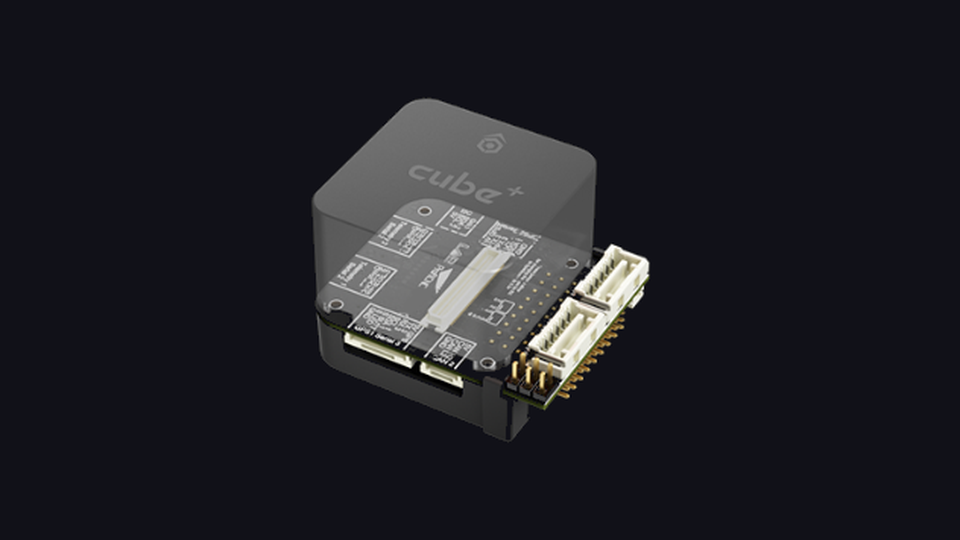
Built around an advanced autopilot flight controller, our avionics stack integrates a high-current power delivery system for robust power distribution. Sensor fusion calibration pipelines ensure reliable state estimation across all flight envelopes.
SOFTWARE
INTELLIGENCE AT THE EDGE
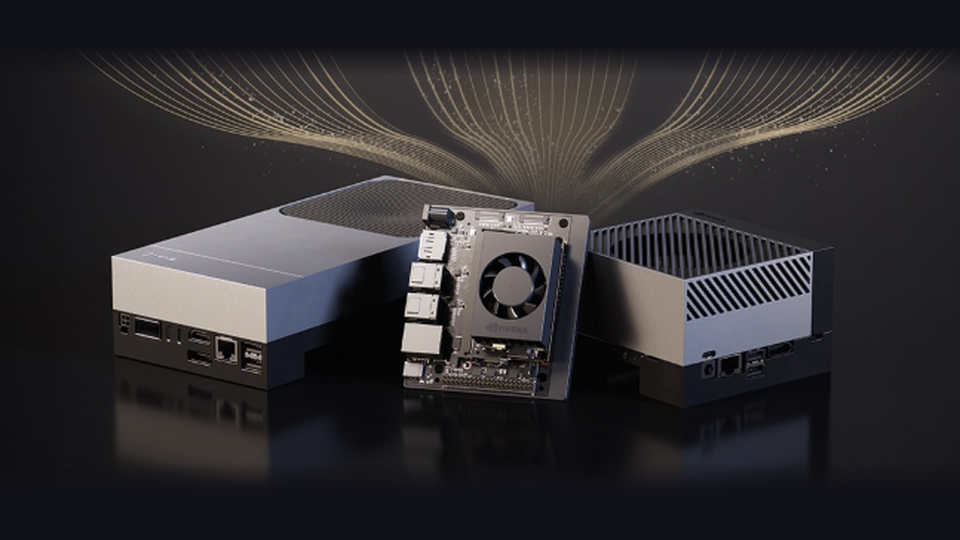
An edge computing unit runs our machine learning inference pipeline, feeding real-time detections into a dynamic trajectory prediction algorithm. Software-in-the-loop environments validate geofence and collision avoidance logic before every flight.
ORGANIZATIONAL STRUCTURE
ENGINEERING SUB-TEAMS
Explore our core disciplines collaborating across flight avionics, airframe fabrication, edge AI autonomy, and team operations.
Avionics & Telemetry
Power Distribution, Autopilot & Telemetry Systems
Engineers the electrical backbone and communications architecture of DragonFly. Designs power regulation boards, integrates Pixhawk autopilot systems, calibrates high-precision GPS receivers, and tunes long-range bidirectional telemetry.
APPLY FOR AVIONICS ROLESCORE RESPONSIBILITIES
JOIN THE FLANKER UAV ENGINEERING CORPS
We recruit motivated aerospace, mechanical, electronics, and software engineers to develop autonomous aerial systems for Teknofest 2026.
TEKNOFEST 2026
READY TO COMPETE
Engineering DragonFly for autonomous target acquisition, no-fly zone (NFZ) reactive avoidance, and sub-second telemetry synchronization across all competition flight profiles.